UK must back logistics as an engine of growth
As an industry with a reach that covers every inch of the UK, the logistics sector has the footprint and high-value jobs to support the government in meeting its target of delivering growth in every postcode.
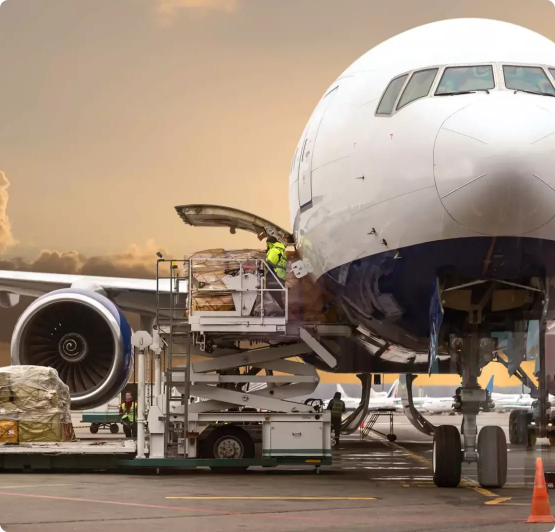
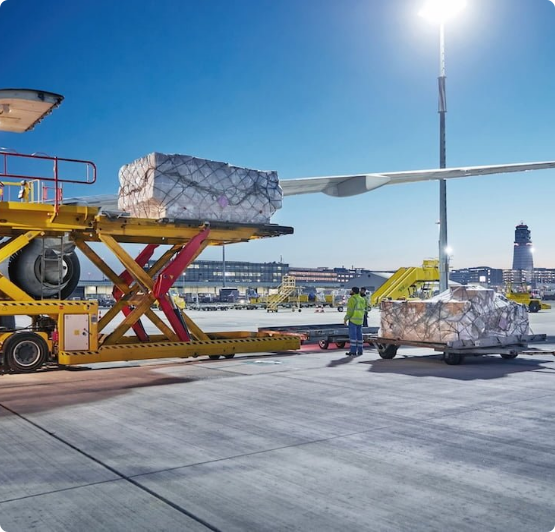
The air cargo sector is integral to achieving these ambitions: £87bn of UK GVA is dependent on air cargo delivering 'just in time' high-value items and meeting growing consumer demand for e-commerce.
The green shoots of economic recovery that we are beginning to see are being driven by the whole logistics sector, and our own research shows overall business confidence is beginning to improve.
Tangible steps the government can take include maintaining the current fuel duty rate, including the 5p cut; reforming business rates to encourage investment in warehousing, freight infrastructure and supply chain productivity; and including logistics within the British Industrial Competitiveness Scheme (BICS) to reduce the cost of electricity as battery vehicles become even more prevalent.
These measures are not just for the benefit of our sector: if the government wants to achieve a new age of industrialisation while bringing down cost of living pressures on consumers, it needs a cost-effective and resilient logistics industry.
Every part of the economy relies on logistics to move the goods and materials it needs, whether for building homes and infrastructure, supporting hospitality and retail, strengthening manufacturing and defence or increasing exports.
The majority of UK airports are operating at or near total capacity, handling 2.8m tonnes of freight every year.
While moving freight in the belly hold of passenger aircraft is a flexible system for carriers, it is dependent on passenger schedules and the commercial viability of routes.
To increase resilience in the supply chain and reduce its susceptibility to disruption, Logistics UK is supporting the expansion of a third runway at Heathrow Airport.
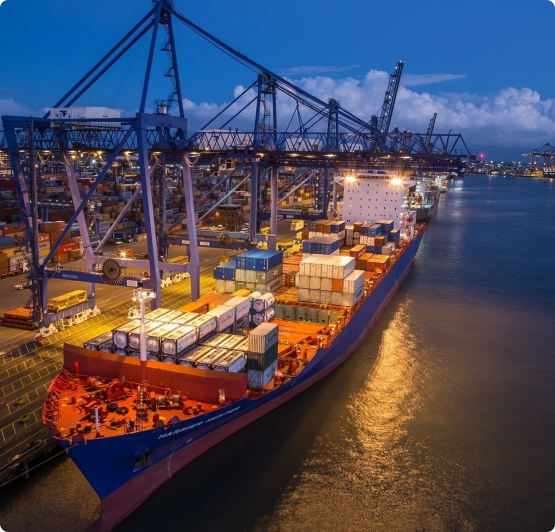
As Britain's single biggest port of entry and exit by value of goods, handling almost £300bn worth of cargo each year, Heathrow's expansion is expected to boost trade and unlock growth, making international connections for UK businesses even easier.
The sector already enables more than £1trn of trade every year, and logistics is the driving force of economic growth, employing 2.6m people across the economy.
It means the logistics profession is uniquely positioned to unlock regional growth, address the crisis of young people not in employment, education or training and drive the government's reindustrialisation agenda.
Working with the sector
The government can work with our sector to help deliver these objectives by helping to shift the focus to investment, in what has been a very tough year dominated by the Middle East conflict and the cost pressures it is driving.
Logistics operators have seen the cost of filling an HGV with diesel increase from around £280 to over £1000, and as 80% of UK freight uses the road network at some point of its journey, it is a critical cost factor across virtually all supply chains.
Fuel accounts for roughly one-third of a HGV fleet's running costs and any increases in fuel duty can significantly affect business viability, investment decisions and the cost of living, as these costs move through supply chains.
This is why maintaining the current rate of fuel duty, including the 5p cut is key. In addition to domestic fuel costs, jet fuel prices have also been vulnerable to price shocks and have increased dramatically since the beginning of the conflict.
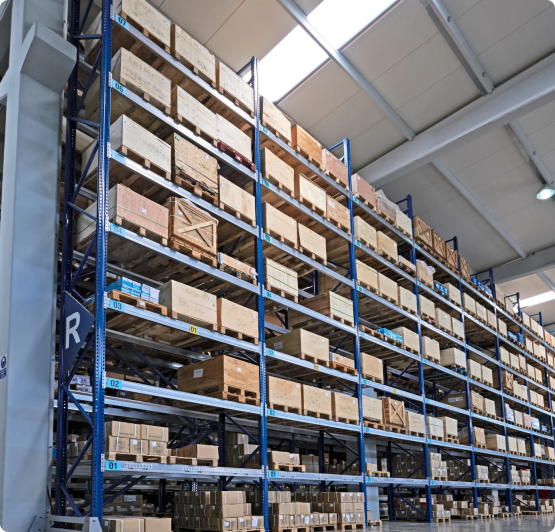
Warehouses, distribution hubs, freight terminals and airports are critical national assets but, the current property tax regime can act as a disincentive to investment.
Logistics businesses are facing significant pressures from rising costs, yet even before April's increases in the business rates on warehouses, the industrial sector, of which logistics is a significant proportion, paid more than £7.5bn in business rates across England and Wales in 2023.
Reforms are needed so the tax system supports, rather than discourages, business investment and economic growth.
As operators continue the switch to cleaner battery vehicles, the logistics sector will become an electricity-intensive sector in the coming years, and the sector needs to be included within the British Industrial Competitiveness Scheme.
The UK currently has some of the most expensive industrial electricity in the world and removing policy costs from business electricity bills will help the sector decarbonise and keep the UK internationally competitive.
The green shoots of recovery are starting to be seen in the economy, but there is still much to be done which is why we are urging the UK's Chancellor to create a cost-competitive business environment that will nurture the improvements in business confidence into a thriving, positive trading economy that benefits us all.
The recognition, in the government's industrial strategy, of the vital contribution logistics makes to the UK economy and the competitiveness of the growth sectors is a clear indication that the government is listening to our sector.
This was reflected in the previous government's significant £250m package of measures to support the industry from the effects of the Middle East conflict, which included an ongoing fuel duty freeze, vehicle excise duty concessions and red diesel price controls for rail freight.
Further evidence is the recent appointment of Keir Mather MP as Minister for Maritime, Aviation and Logistics and the expansion of his role demonstrates the critical role that logistics can play in the rejuvenation of the UK's economy.
Through continued support, the government can create an environment that encourages long-term investment and enables businesses to deliver growth.
The Middle East conflict has demonstrated that events outside the UK can quickly translate into increased costs for businesses and consumers, due to rising fuel prices and shipping disruption.
The conflict is not over, and as is seen by record-high prices for diesel at the end of September, the sector will have to continue managing fuel price volatility for the foreseeable future.